
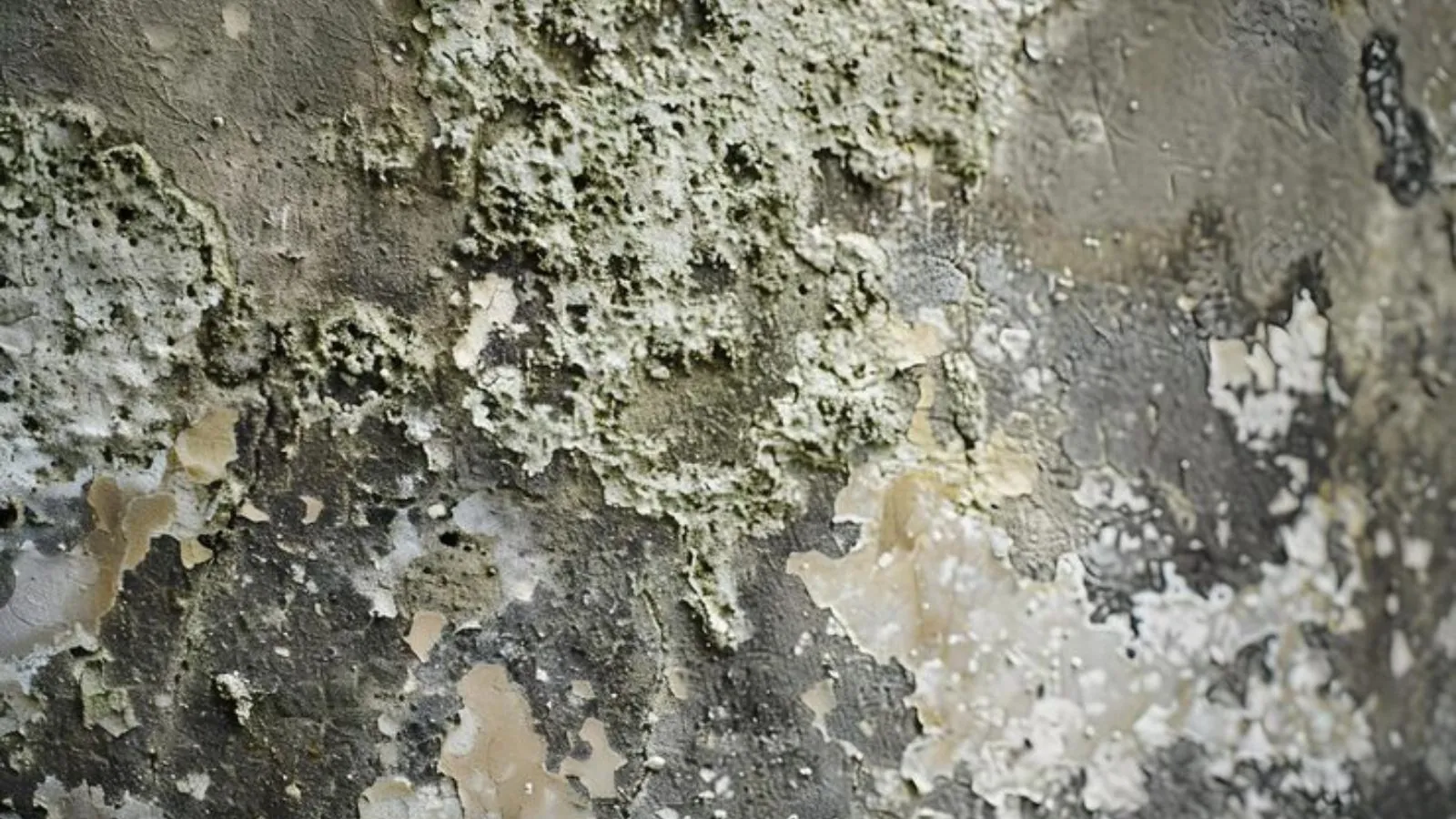
Mold Remediation in Monmouth Junction, NJ
Mold needs moisture, so the cure is containment, removal and drying. Call for mold remediation in Monmouth Junction after a leak or flood.
Mold remediation is the process of containing, removing and preventing mold growth on building materials, with moisture control as the foundation. Mold needs moisture to grow, so fixing the water source and drying the structure come before anything else.
Call (732) 352-9660 if you see growth on walls, ceilings or wood, or smell mustiness after a leak. The dispatch line is staffed around the clock.
Signs that mold may be present
- Visible spots, fuzzy patches or discoloration on walls, ceilings, baseboards or wood.
- A persistent musty smell, especially after a leak or storm.
- Water stains that return after being painted over.
- Peeling paint or wallpaper near a damp area.
- Condensation on windows or pipes in a humid space.
- A past water event that was never fully dried.
Appearance alone does not tell you what kind of mold it is. Do not disturb it, since scrubbing or sanding can spread spores through the home.
Why moisture is the real problem
Mold grows where materials stay damp, and it can start within a day or two on wet drywall, wood and insulation. Removing the visible growth without fixing the moisture means it comes back.
That is why remediation always includes finding the water source, drying the structure and checking readings afterward. See structural drying for the equipment.
The mold remediation process
- Assess.The crew finds where moisture entered and how far growth extends, using moisture meters and visual inspection.
- Contain.Plastic barriers and negative air control limit spread to other rooms.
- Remove.Porous materials with growth, such as drywall and insulation, are removed and bagged. Surfaces that can be cleaned are cleaned.
- Clean and dry.HEPA vacuuming and cleaning follow, and air movers and dehumidifiers dry the area.
- Verify and repair.Moisture readings confirm dryness before drywall and finishes are rebuilt.
The reference practice for this work is the ANSI/IICRC S520 standard for professional mold remediation. It describes containment, removal and verification, and we cite it as industry guidance.
| Material | Usual approach | Reason |
|---|---|---|
| Drywall with growth | Remove and replace | Porous, growth penetrates. |
| Framing and solid wood | Clean and dry | Can often be cleaned in place. |
| Insulation | Remove | Holds moisture and growth. |
| Concrete and tile | Clean | Non-porous. |
What to do and not do
Do not disturb growth, run fans toward it or mix cleaning chemicals. Fix the water source first and keep the area closed off. Ask any contractor whether New Jersey licenses mold work, how they contain the area and how they verify the result.
Mold after water damage in Monmouth Junction
Monmouth Junction homes are tightly built, and the community counted 3,170 housing units in 2020 against 919 in 2010. Tight construction holds moisture in when a leak occurs, and wet insulation and drywall are the most common places mold appears.
After the remnants of Hurricane Ida on September 1 and 2, 2021, damp basements and wall cavities across South Brunswick Township were exposed to extended moisture. Fast drying after any event is the best prevention.
If the leak is recent, see water extraction and wall and drywall repair first. For basements, see basement water damage.
Clearance matters at the end. Ask how the contractor will confirm the work is complete, such as a visual inspection, moisture readings and a written summary. Some owners request independent verification from a separate party, which adds a check that does not depend on the contractor's own assessment.
Insurance and mold
The New Jersey Department of Banking and Insurance notes that a typical homeowners policy generally does not cover mold, so check your own policy. Some policies cover mold that results from a covered water event. Photograph the growth and keep records, and ask your insurer what applies.
Musty smell or visible growth? Call for an assessment.
Call about moldFrequently asked questions
Is mold removal different from water damage restoration?
Yes. Water damage restoration removes water and dries materials. Mold remediation addresses growth that already exists, with containment and removal on top of drying.
Can I clean mold myself?
Small surface spots on hard materials may be cleaned with care. Growth on drywall, insulation or larger areas should be handled with containment to avoid spreading it.
Will bleach kill mold?
Bleach does not penetrate porous materials, and moisture remains. Removal and drying are the reliable fix.
Does homeowners insurance cover mold?
The New Jersey Department of Banking and Insurance says typical policies generally do not, so read your policy and ask your insurer.
Active water damage in Monmouth Junction?
Call the 24/7 line and describe what you see. A dispatcher explains the scope and the price before any work starts.
Call (732) 352-9660