
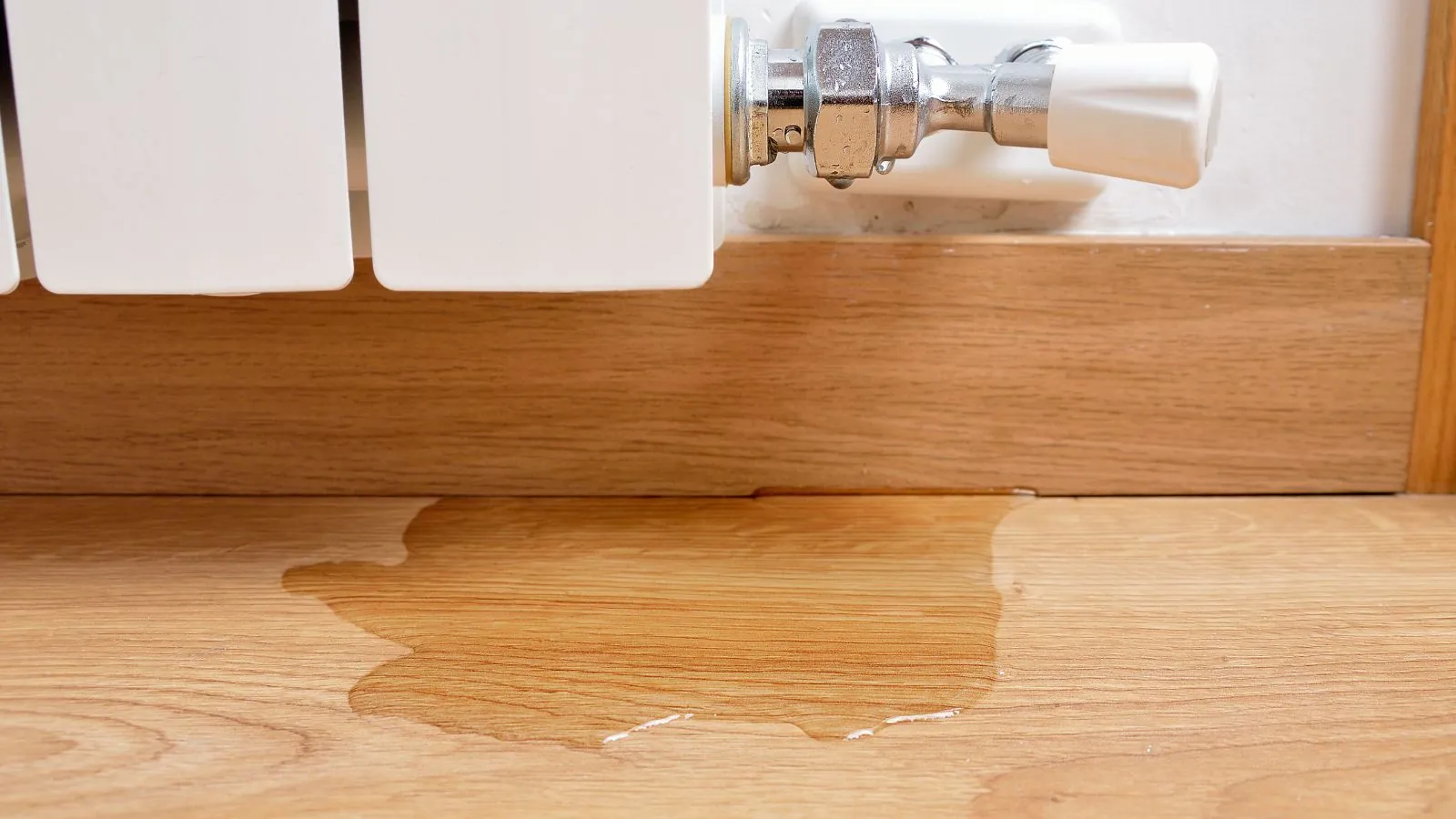
Hardwood Floor Water Damage Repair in Monmouth Junction, NJ
Wood floors cup and buckle when wet. Call for hardwood floor water damage repair and controlled drying in Monmouth Junction.
Hardwood floor water damage repair starts with drying, because wood swells when it absorbs water and the damage often shows as cupping, crowning or buckling. The sooner moisture is pulled out, the more of the floor can be saved.
Call (732) 352-9660 if boards are lifting, edges are curling or the floor feels soft. Water on wood is time-sensitive, and the line is staffed 24/7.
What water does to a wood floor
Wood absorbs water through its edges and underside, which is why leaks from below often do more harm than spills on top. Boards expand, press against each other and either cup, with edges higher than centers, or buckle off the subfloor in severe cases.
Finish seals the top but not the sides and bottom. Water that gets beneath a floor can stay trapped, so a floor that looks fine can hold moisture and mold underneath.
Signs your hardwood is damaged
- Edges that curl upward, called cupping.
- Boards that lift or tent off the subfloor.
- Dark stains or black marks, which can indicate trapped moisture or mold.
- Gaps between boards after the wood dries out.
- A hollow or soft sound underfoot.
- A musty smell from the floor.
How wood floors are dried
- Test the wood.A moisture meter measures the boards and the subfloor to find how far the water went.
- Remove standing water.Extraction units pull water from the surface, as described on the water extraction page.
- Dry with control.Specialized drying mats and low-velocity air movers pull moisture out of the boards slowly, which helps limit damage from rapid drying.
- Monitor.Readings are taken until the wood returns to the level of dry flooring in the house.
- Refinish or replace.Floors that flatten out may be sanded and refinished, and damaged boards are replaced.
| Condition | Option | Trade-off |
|---|---|---|
| Light cupping after quick drying | Wait and monitor, then sand | Floors often flatten as they dry. |
| Stained boards | Spot replace | Matching finish takes care. |
| Buckled boards | Remove and replace | Subfloor must dry first. |
| Engineered or laminate | Often replace | Core swells and cannot recover. |
Water that came through the floor from the crawl space is covered on crawl space water damage. Water that spread to carpeted rooms is covered under carpet water damage.
Wood floors in Monmouth Junction homes
Many Monmouth Junction homes are recent, and engineered wood and luxury vinyl planks are common in new construction alongside solid hardwood. Engineered planks have a thinner wear layer over a plywood or fiberboard core, and the core swells when wet.
Floors over a slab, a basement ceiling or a crawl space all dry differently, so tell the dispatcher what is beneath your floor. A floor on a slab may hold moisture longer than one over a vented crawl space.
Timing matters for finishes too. Sanding a floor before it reaches its normal moisture level locks in cupping and gaps, so refinishing waits until readings are stable. A floor that is sanded too early can cup again once the remaining moisture leaves the boards.
Ask the flooring contractor about the subfloor too. A subfloor that is still damp under new boards leads to cupping again, so readings on both layers should agree before installation. Matching existing boards in color and width is a separate decision, and some owners choose to refinish an entire room for a consistent look.
Safety steps while floors are wet
- Do not walk on a wet floor in socks or with bare feet, since finishes become slippery.
- Do not run a household vacuum on standing water.
- Keep furniture off the wet area, using foil or plastic blocks under legs if you must leave it.
- Do not use heat guns or space heaters to speed drying, which can crack boards.
The industry reference, ANSI/IICRC S500, calls for controlled drying and monitoring of moisture content. For wood floors that means slow, measured drying instead of the fastest possible drying.
Insurance and hardwood damage
Policies often cover sudden water, and the cost to dry or replace flooring is part of the claim. Photograph the floor, keep a sample of damaged boards and note the date the damage began. The claim decision is between you and your insurer, and we provide a written scope.
Wood floor wet or lifting? Call for a moisture check.
Call about hardwood damageFrequently asked questions
Will cupped hardwood flatten out?
Often, if it dries slowly and the cause is removed. Boards that stay cupped after drying can usually be sanded flat once moisture levels are normal.
How fast do I need to act?
As soon as possible. Wood begins to swell within hours, and prolonged moisture can lead to permanent damage or mold.
Do I need to remove the whole floor?
Not always. Moisture readings show which boards are affected, and often only part of the floor is replaced.
Is engineered flooring different?
Yes. The core can swell and delaminate, so it is less likely to be saved than solid wood after a significant soak.
Active water damage in Monmouth Junction?
Call the 24/7 line and describe what you see. A dispatcher explains the scope and the price before any work starts.
Call (732) 352-9660