
Emergency Frozen Pipe Water Damage in Monmouth Junction, NJ
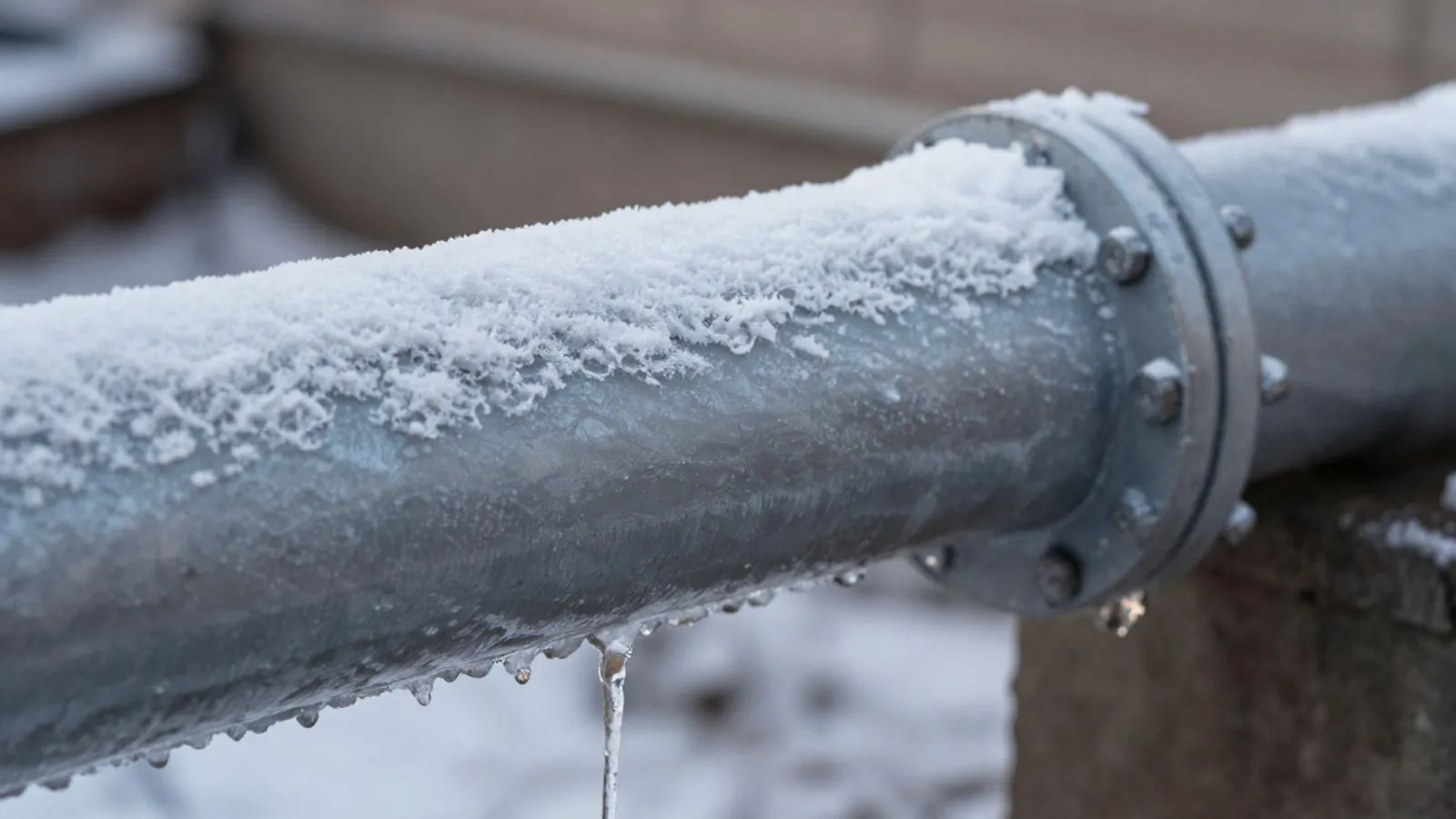
Ice splits pipes quietly, and the damage appears when the ice melts. Call the 24/7 line for frozen pipe water damage restoration in Monmouth Junction.
A frozen pipe becomes an emergency the moment it thaws, since the split that ice opened starts spraying or dripping into walls. If you hear water running behind a wall or see a stain appear after a cold snap, call the 24/7 dispatch line.
While you wait, shut off the main water valve, open a faucet to relieve pressure and keep wet areas clear of people and pets. Turn off power to the affected room only if the panel is dry and easy to reach.
Frozen pipe emergencies start after the thaw
Water expands about nine percent when it freezes, and that pressure can split a pipe along its length or push a fitting apart. The pipe may hold while it is frozen, then release water the hour the temperature rises or the heat comes back on.
That timing surprises homeowners. A house can sit quiet through the coldest night and flood on the first mild afternoon, so a pipe that was frozen earlier deserves a close look even if nothing appears wrong.
Do not thaw with open flame
Never use a torch, a propane heater or a kerosene heater to thaw a pipe. Warm air from a hair dryer or a heating pad on an exposed section is safer, and only with the faucet open and no standing water nearby. If you cannot reach the frozen section, call a plumber.
Where pipes freeze in a house
- Exterior walls, especially behind kitchen sinks, bathroom vanities and laundry hookups.
- Garages, crawl spaces and any room that is not heated to the rest of the house.
- Attics and soffits where supply lines run near insulation gaps.
- Outdoor spigots and the short supply lines feeding them.
A line that sits inside a cabinet against an exterior wall is a classic case, since closed cabinet doors trap cold air against the pipe. Opening the doors on a bitter night lets room heat reach it.
How we restore a home after a frozen pipe
Once the water is off, extraction removes standing water and moisture meters locate what the leak reached. Thermal imaging helps trace water that ran down inside a wall, where the surface may look dry.
Wet insulation and soaked drywall are removed when they cannot dry, then air movers and LGR dehumidifiers run until readings match a dry reference. Our burst pipe page covers the pressurized-line version of the same job.
| Where it froze | Typical damage | Next step |
|---|---|---|
| Exterior kitchen wall | Cabinets, drywall, flooring | See kitchen water damage. |
| Unheated garage or utility area | Drywall, stored items, slab | Extraction and moisture mapping. |
| Attic supply line | Ceiling and insulation below | See ceiling water damage. |
| Crawl space line | Joists, insulation, vapor barrier | See crawl space water damage. |
Frozen pipes in Monmouth Junction homes
Monmouth Junction is a growing community of 8,895 residents in western South Brunswick Township, where recent construction has added many two-story homes with long runs of supply line. Lines that cross garage walls or sit beside exterior corners are the weak points to check before winter.
We do not publish a local freeze count because we cannot support one here, so the better guide is your own house. If a room is colder than the rest, or a faucet slows to a trickle in cold weather, treat that line as at risk.
Preventing a second freeze
Open cabinet doors
Let heated room air reach sink supply lines on exterior walls.
Let a faucet drip
A slow drip on a line at risk keeps water moving during a hard freeze.
Seal gaps
Close air leaks around pipes where they pass through exterior walls or rim joists.
Know your main
Everyone in the home should know where the main shutoff is and how it turns.
ANSI/IICRC S500 describes how water damage is assessed and dried. For a thaw leak it points to the same early steps used on a burst pipe, which are source control, extraction and moisture mapping.
Insurance and frozen pipes
Policies generally treat a sudden burst from freezing differently from long-term leakage, and some require you to have kept the home heated. Document the split pipe and the damage with photos and ask your insurer what applies. We provide the scope of the drying and repair work, and the coverage decision stays with the insurer.
Water behind the wall after a cold snap? We answer 24/7.
Call about a frozen pipeFrequently asked questions
Do you handle frozen pipe emergencies at night or on weekends in Monmouth Junction?
Yes. Thaw leaks often start at night or on weekends, and the line at (732) 352-9660 is open 24/7. Shut the main valve first, then call and describe where the water appeared.
Is a frozen pipe that has not burst an emergency?
It deserves quick attention. Thaw it slowly with gentle warm air, keep the faucet open and watch for leaks as it clears. If you hear water inside a wall or see staining, shut the main and call.
How do I know if a pipe split inside the wall?
Signs include falling water pressure, a wet or bulging section of drywall, a sound of running water with every fixture off and a spike in your water bill. A moisture meter and thermal imaging confirm the spread.
Can a frozen pipe cause mold?
Wet drywall and insulation can support mold if they stay damp. Fast extraction and drying are the best prevention, and the mold remediation page explains what to do if growth is already visible.
Active water damage in Monmouth Junction?
Call the 24/7 line and describe what you see. A dispatcher explains the scope and the price before any work starts.
Call (732) 352-9660