
What to Keep or Throw Away After Water Damage in Monmouth Junction, NJ
The water category and the material decide almost everything. Here is a quick sorting guide.
After a water event, the hardest part is often deciding what to save. Sentimental items make it harder, and fear of waste can make people keep things that are not safe.
This guide gives a simple framework, with a table by material. When in doubt, photograph an item and set it aside before you decide.
Start with the water category
| Category | Source | What it means for belongings |
|---|---|---|
| Category 1 | Clean supply line or rain through a roof | Most items can be dried and kept. |
| Category 2 | Washing machine, dishwasher or toilet overflow without feces | Hard items cleaned, porous items often discarded. |
| Category 3 | Sewage, floodwater, river or ground water | Porous items discarded, hard items disinfected. |
These categories come from industry guidance, ANSI/IICRC S500. The category can worsen with time as bacteria grow, so Category 1 water that sat for days may be treated as Category 2.
Materials that usually can be saved
- Solid wood furniture, dried carefully.
- Metal, glass and ceramic, cleaned and disinfected.
- Sealed tile and concrete.
- Plastic bins and tools.
- Washable fabrics from clean water, laundered promptly.
Materials that usually should go
- Mattresses and upholstered furniture soaked by contaminated water.
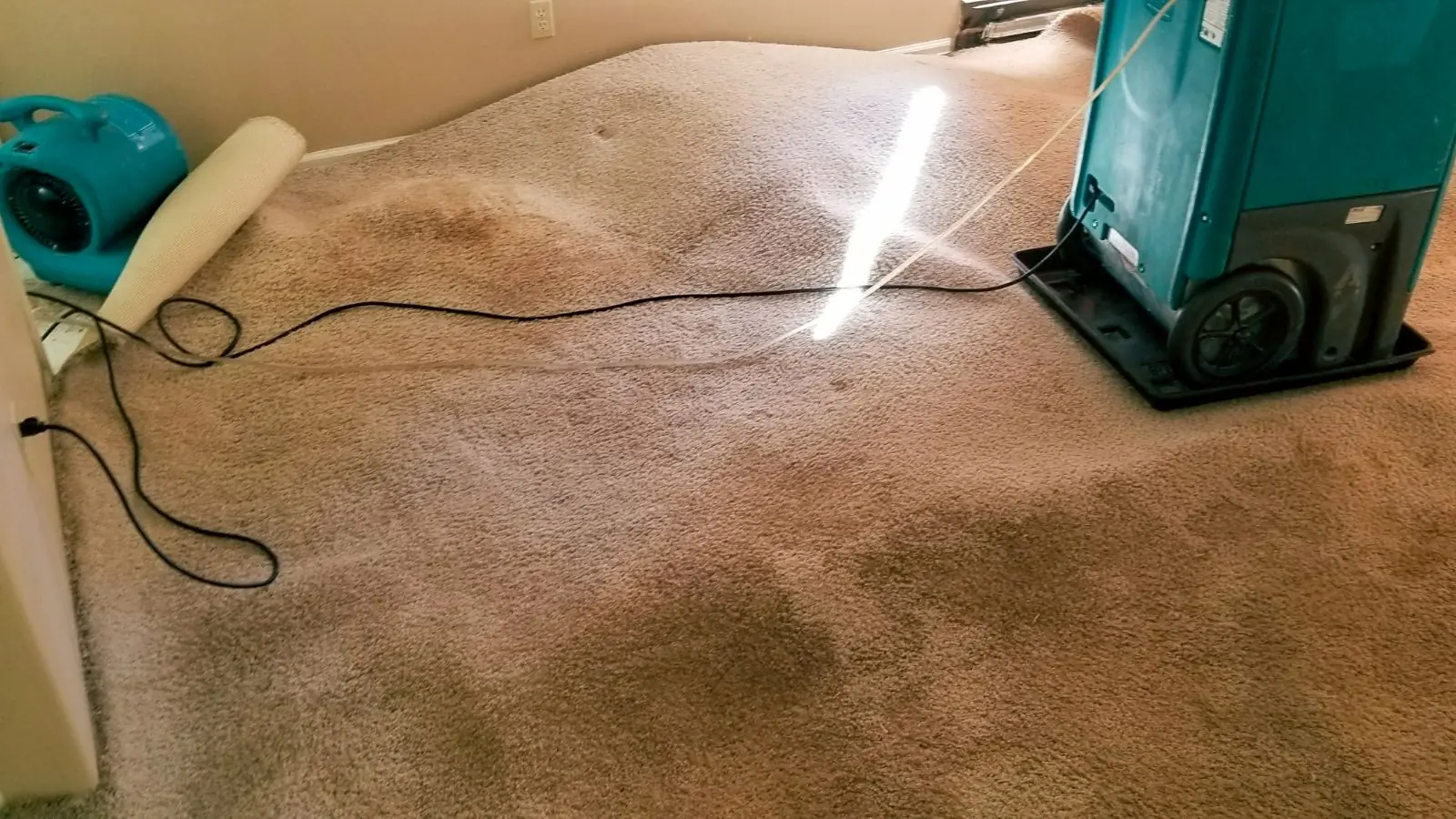
- Carpet pad and often carpet after Category 2 or 3 water.
- Particleboard and laminate furniture that has swollen.
- Insulation and drywall that stayed wet.
- Food, medicine and cosmetics exposed to floodwater.
Food and drinking water
Discard any food that touched floodwater or sewage, including canned goods with damaged seals. Do not use tap water for drinking until your utility says it is safe after a flood.
A sorting method that works
- Document first.Photograph each item and the damage before moving or discarding.
- Sort into three piles.Keep, clean, and discard. Set uncertain items aside.
- Clean what you keep.Wash fabrics, wipe hard items and dry them thoroughly.
- Let the adjuster see.Keep discarded items until your insurer approves disposal if they ask.
What about items you cannot replace
Photographs, documents and keepsakes may be recoverable with specialized drying. Freezing wet paper stops damage while you decide.
Our companion guide on saving photos and documents covers that in detail, and a restoration crew can sometimes pack out contents for cleaning.
Room-by-room decisions
In a kitchen, discard food and medicine that touched floodwater and keep sealed glass and metal after washing. In a bedroom, mattresses and upholstered furniture that soaked in contaminated water usually go, while solid wood dressers can often be dried and cleaned.
In a basement, cardboard boxes, paper and fabric go first, while plastic bins and metal tools clean up. In a living room, area rugs may be professionally cleaned if the water was clean, and carpet pad is replaced in most cases.
- Discard items that smell of sewage after cleaning, since odor often signals material that has absorbed contamination.
- Wash clothing from clean water in hot water promptly, and take delicate items to a cleaner.
- Dry books and papers separately, and see the guide on documents for the order of steps.
- Check power cords, small appliances and tools before use, since moisture can remain in motors and switches.
- Keep a short list of what you discarded and approximate values for your insurer.
Disposal and cleanup safety
Wear gloves and boots when handling wet debris, and bag contaminated items in heavy contractor bags. Check with the township about bulk pickup and disposal rules before piling debris at the curb, since large cleanups may need scheduling.
Photograph the pile before it leaves. If the insurer wants to inspect something, set it aside in a labeled bag and tell the adjuster.
Pets, toys and children's items
Soft toys and bedding that touched contaminated water are usually discarded. Hard plastic toys can be washed and disinfected, and metal items can be cleaned and dried.
Keep children and pets out of the cleanup area, and wash hands after handling wet debris. If an item has sentimental value, photograph it before deciding, so the memory survives even if the item does not.
Sorting after a storm like Ida's
After the remnants of Hurricane Ida on September 1 and 2, 2021, South Brunswick Township handled a wave of flooding calls and later a FEMA visit. Households that sorted by water category, and photographed before discarding, moved through cleanup and claims with fewer disputes.
If you live in Monmouth Junction, Kendall Park or Dayton, keep a small kit of contractor bags, gloves and a phone charger ready. For floodwater, the flood damage cleanup page explains why contaminated porous items rarely return.
When to get help
If a lot of belongings are involved, ask whether a crew can inventory and clean contents. The dispatch line at (732) 352-9660 is open 24/7, and the dispatcher explains the scope and the price before work starts.
Questions readers ask
Can I keep a sofa that got wet?
If it was clean water and dried within a day or two, sometimes. Contaminated water usually means disposal.
Is it okay to keep drywall that dried?
Drywall that stayed wet and softened should be replaced. A moisture meter shows whether it dried in place.
What about electronics?
Do not power them on. See our guide on electronics for what to do first.
Should I keep damaged items for the insurer?
Yes, until the adjuster approves disposal, and photograph them first.
Where do I start in Monmouth Junction?
Photograph, sort into keep, clean and discard, and call for help if you are unsure.
Need help with water damage now?
Call the 24/7 line and describe what you see. A dispatcher explains the scope and the price before any work starts.
Call (732) 352-9660