
Water Damage Restoration vs Remediation in Monmouth Junction, NJ
The two words get used interchangeably, but they point to different parts of the job. Knowing the difference helps when you read a scope.
Restoration and remediation are often used as if they mean the same thing, and some contractors use them loosely. They describe different parts of a water damage job, and reading a scope is easier when you know the difference.
This guide explains how the terms are commonly used, how they overlap and why they matter for insurance.
What restoration usually means
Restoration is about returning a property to its pre-loss condition. It includes extracting water, drying the structure, cleaning and sometimes rebuilding finishes.
In the water damage trade, you will also hear mitigation for the early steps that stop and reverse damage, such as extraction and drying.
What remediation usually means
Remediation is about removing or correcting a hazard. In this field it most often refers to mold remediation, which is the containment and removal of growth, and to cleanup of contaminated water.
It tends to involve isolation, protective equipment and verification that the problem was fixed, not just that things look better.
| Question | Restoration | Remediation |
|---|---|---|
| Main goal | Return the property to its prior condition | Remove or correct a hazard. |
| Typical steps | Extraction, drying, cleaning, rebuild | Containment, removal, cleaning, verification. |
| Common reference | ANSI/IICRC S500 for water damage | ANSI/IICRC S520 for mold. |
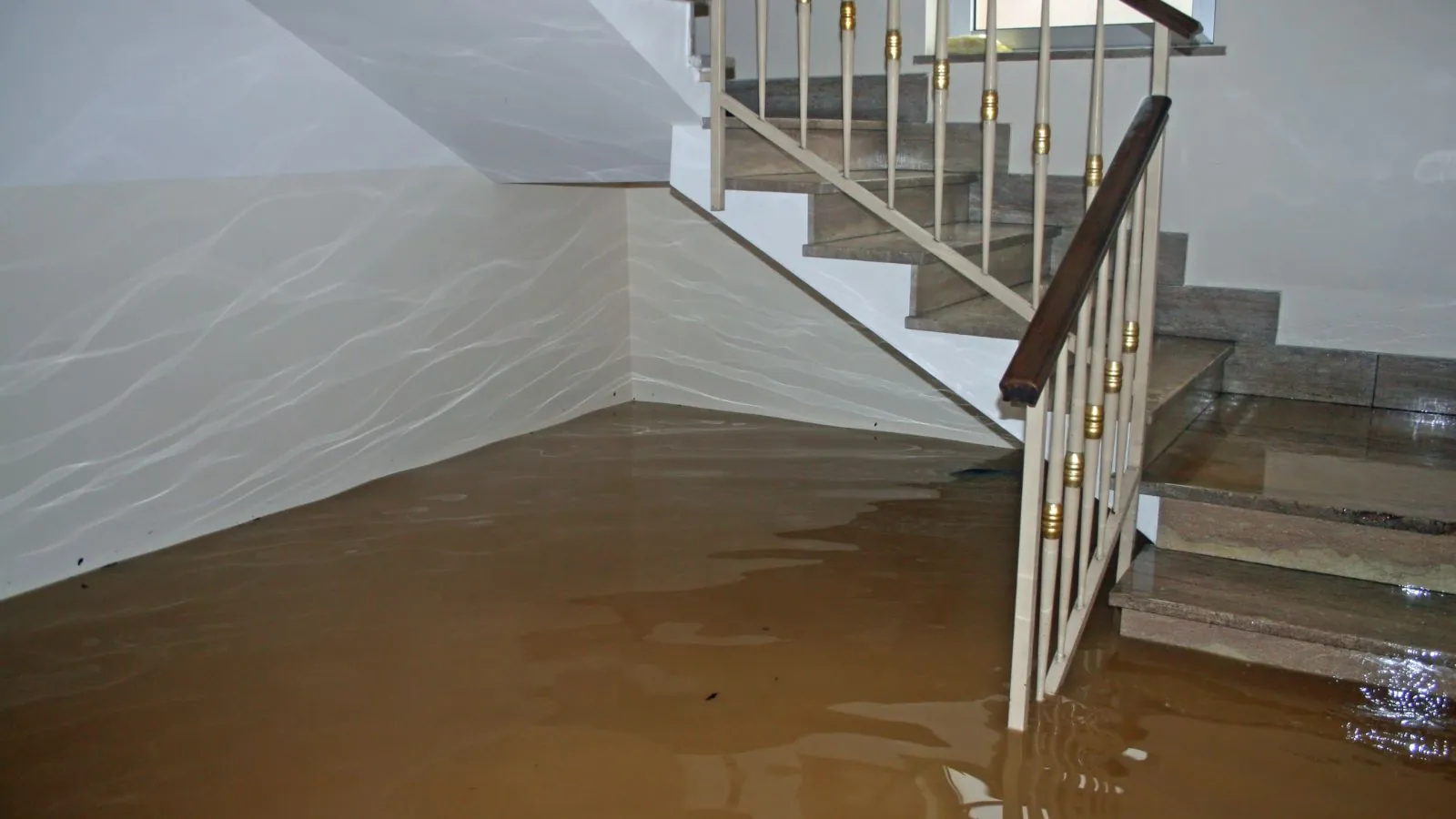
| Example | Dry a flooded basement | Remove mold from wall cavities. |
What to do if you are unsure which one you need
- Ask for a moisture reading and a visual check of the affected area.
- Ask whether growth is present, and where.
- Ask the contractor to label each scope line as mitigation, restoration or remediation.
- Keep the area closed off and dry while you decide.
Where they overlap
A flooded basement can need both. First comes extraction and drying, then if growth appeared, remediation. Sewage jobs also use both terms, because the work removes contamination and restores the space.
Insurers may separate the two on an estimate, so check how each line is labeled.
Mitigation, restoration and reconstruction
- Mitigation.Stop the source, extract water, begin drying. See water extraction.
- Drying and verification.Monitor moisture until the dry standard is reached. See structural drying.
- Remediation, if needed.Contain and remove mold or contamination. See mold remediation.
- Reconstruction.Replace drywall, flooring and finishes.
Why the terms matter for a claim
- Insurers may cap or exclude mold remediation while covering water damage restoration.
- A scope that blurs the two can lead to disputes.
- Dated moisture logs show that drying was done promptly.
- Separate line items let you see what is being paid and for what.
The New Jersey Department of Banking and Insurance notes that a typical homeowners policy generally does not cover mold, so the label on a line item can affect coverage. Ask your insurer how they classify the work.
Read the scope carefully
Ask the contractor to describe each line item in plain words, and ask whether it is restoration, remediation or reconstruction. If a term is unclear, ask for the definition in writing.
Reading an estimate line by line
Estimates group work in categories. Mitigation lines cover water removal and drying, with equipment charged by the day. Cleaning lines cover sanitizing and contents. Remediation lines cover containment and removal of growth or contaminated material. Reconstruction lines cover drywall, paint, flooring and trim.
If a line says only demolition, ask what is being demolished and why. A good scope names the room, the material and the height of the cut. It should also explain why a material is being removed instead of dried.
A short glossary
- Mitigation: the early steps that stop and reverse water damage.
- Restoration: returning the property to its prior condition.
- Remediation: removing or correcting a hazard such as mold or contamination.
- Reconstruction: rebuilding finishes such as drywall, flooring and paint.
- Pack out: moving contents to a clean place for cleaning or storage.
If any of these terms appears on a scope without an explanation, ask for one in writing. The plain definition of each line item is part of an honest estimate.
Who does the work
On a small loss, one crew may handle everything from extraction to rebuild. On a larger one, specialists may take over at different stages, such as a contractor for reconstruction or a separate crew for mold containment. Ask who is responsible for each phase and who coordinates them.
Handoffs are where scopes get lost. A written plan that names each phase, the person responsible and the condition that ends it keeps the job moving and protects you from gaps.
How the terms show up in Monmouth Junction jobs
Monmouth Junction homes are mostly recent, with 3,170 housing units counted in 2020 against 919 in 2010. Most water jobs therefore begin as restoration: a supply line, an appliance or a roof leak that is caught early. Remediation enters when moisture sat unnoticed in a finished wall or basement.
Older homes in Kendall Park and the growing housing in Dayton can go either way. If drywall is damp, wall and drywall repair often covers the restoration side, and remediation follows only if growth is found.
Getting a scope that makes sense
Call the 24/7 line at (732) 352-9660. The dispatcher explains the scope and the price before work starts, and the written scope separates the steps so you can see what is restoration and what is not.
Questions readers ask
Is mitigation the same as restoration?
Mitigation is the early part of restoration, focused on stopping and reversing damage. Restoration covers the whole process including repair.
Does mold always need remediation?
Growth that is more than a small surface patch usually does. Prevention through fast drying is better.
Which standard applies?
ANSI/IICRC S500 describes water damage restoration practice, and ANSI/IICRC S520 describes professional mold remediation.
Will my insurer pay for both?
That depends on your policy. Ask how each is classified.
What do I ask a contractor in Monmouth Junction?
Ask them to label each step and to explain what it is for.
Need help with water damage now?
Call the 24/7 line and describe what you see. A dispatcher explains the scope and the price before any work starts.
Call (732) 352-9660