
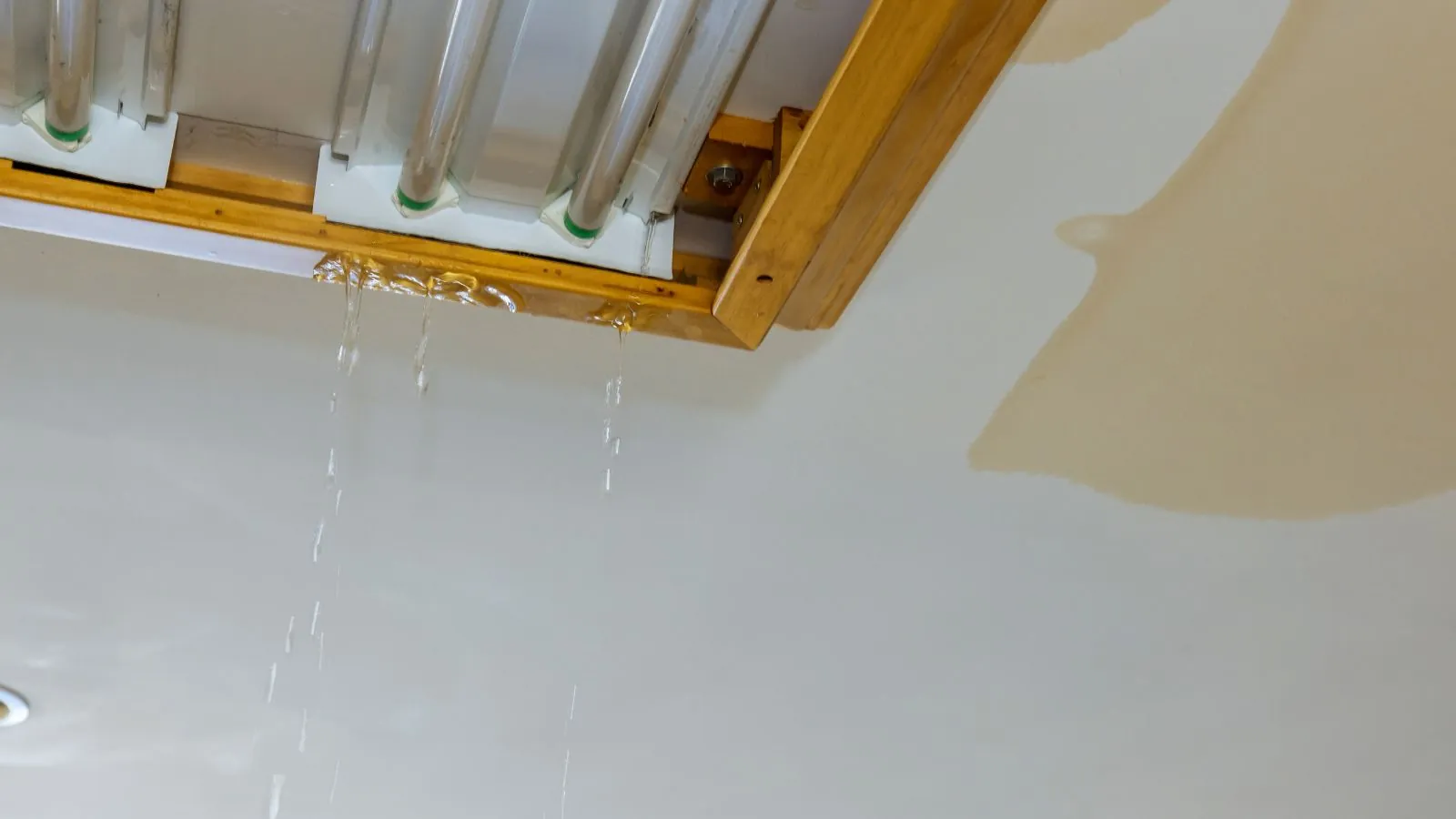
Water Damage Insurance Claim Steps for Monmouth Junction, NJ Homeowners
Photograph, protect, report and document. Here is the order that keeps a claim organized from the first hour.
A water damage claim is easier when you do the right things in the right order. The first hours decide how much damage there is, and the first day decides how clean your paper trail is.
This guide walks through the steps most insurers expect, with notes on what to record and what to avoid. It is general guidance, and your policy sets the rules.
Step 1: Make the house safe
Stop the source if you can, usually by closing the main water valve. If water is near outlets or the panel, stay out and call 911 or the electric utility before anything else.
Safety comes before photographs. Insurers do not expect you to wade into hazards to document a loss.
Step 2: Photograph and video the damage
Take wide shots of each room, then close-ups of the damage, the source and the water line. Video with narration helps, such as saying the date, the room and what you see.
Photograph personal belongings before moving them, and note brand and approximate age for larger items. A simple inventory list on your phone is enough to start.
Step 3: Limit further damage
Most policies expect reasonable steps to prevent more harm. That can include extraction, moving belongings, tarping a roof or starting drying. Keep receipts for anything you pay for.
Do not start major demolition before documenting, unless it is needed for safety or to stop damage from spreading. A restoration crew can note what was removed and why.
Step 4: Report the loss
- Find your policy.Locate the declarations page and your agent's contact information.
- Call early.Report the loss as soon as it is safe. Ask for a claim number.
- Take notes.Write down the date, the person you spoke with and what they said.
- Ask what they need.Request a list of required documents and the next appointment.
Step 5: Prepare for the adjuster
An adjuster will want to see the source, the damage and the documentation. Have your photos, receipts, moisture readings and a written scope ready, and keep damaged materials until the adjuster approves disposal.
If you have a contractor's scope, share it. It describes what was wet, which materials need removal and what drying will take, and it gives the adjuster something concrete to review.
| Item | Why it helps |
|---|---|
| Photos and video | Show the condition before cleanup. |
| Moisture readings and drying logs | Show what was wet and when it dried. |
| Receipts for emergency work | Support reimbursement of reasonable costs. |
| Inventory of damaged contents | Supports the personal property portion. |
| Notes on every call | Keep the timeline straight. |
Step 6: Review the estimate and ask questions
The insurer will issue an estimate. Compare it to the scope of work and ask about anything that looks missing. If you disagree, ask your insurer about the process for review.
Do not sign anything you do not understand. A restoration company's scope and your policy are separate documents, and neither replaces a conversation with your insurer.
Talking with the adjuster
Walk the adjuster through the sequence of events in plain order: when you noticed it, what you did, who you called. Show the source of the water first, then the rooms, then the contents. Bring the moisture readings and the written scope so the conversation stays about facts.
If something is missing from the estimate, ask the adjuster to explain it before you agree or disagree. A calm question about how a number was reached usually gets a clearer answer than a dispute.
FEMA's guidance for National Flood Insurance Program policyholders also tells owners to document damage with photographs and keep damaged items for the adjuster. The same habits help in a non-flood claim.
Drying records that follow ANSI/IICRC S500, such as dated moisture readings, give an adjuster something concrete to review. Ask your contractor for those logs when the job ends.
Documentation lessons from Hurricane Ida remnants in South Brunswick
When the remnants of Hurricane Ida crossed South Brunswick Township on September 1 and 2, 2021, local officials reported 125 police, fire and EMS calls in 12 hours and a FEMA visit on September 13. Large events create backlogs, and the households with dated photos and organized notes tended to move through the process more smoothly.
Neighbors in Kendall Park and Dayton face the same kind of paperwork as those in Monmouth Junction. Starting with water extraction and then a documented plan for structural drying gives the file a clear first chapter.
What a restoration company can and cannot do
A restoration company can remove water, dry the structure, document readings and give a written scope and a price before work starts. It cannot decide your claim, promise a payout or speak for your insurer.
Call (732) 352-9660 if you have an active loss. The line is open 24/7, and the documentation we produce is designed to help you answer your insurer's questions.
Questions readers ask
How soon should I report a water damage claim?
As soon as it is safe. Policies often require prompt notice, and delay can make it harder to show that the damage was sudden.
Should I clean up before the adjuster visits?
Take photos first and do only what is needed to prevent further damage. Keep damaged materials when asked.
Can I choose my own restoration company?
Policies commonly let you choose, but ask your insurer whether they have requirements. The claim decision remains with the insurer.
What if the claim is denied?
Ask for the reason in writing and review your policy. The New Jersey Department of Banking and Insurance accepts consumer complaints about insurers.
Where do I start in Monmouth Junction?
Stop the water, photograph the damage and call both your insurer and the 24/7 dispatch line at (732) 352-9660.
Need help with water damage now?
Call the 24/7 line and describe what you see. A dispatcher explains the scope and the price before any work starts.
Call (732) 352-9660