
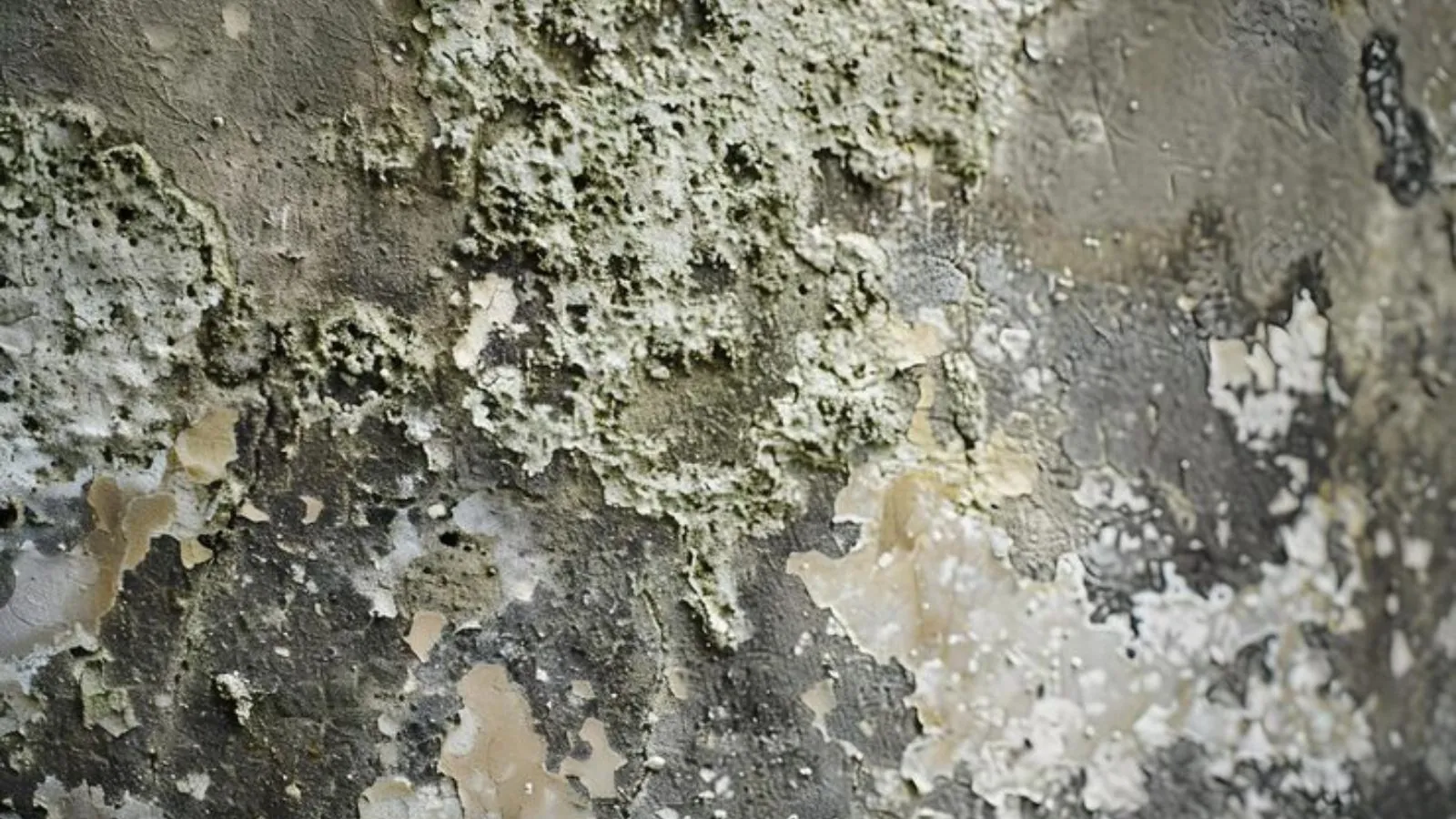
Mold vs Mildew in Monmouth Junction, NJ Homes: What Is the Difference?
Both grow on damp surfaces. The difference matters mostly for how deep the problem goes and how you handle it.
People use the words mold and mildew almost interchangeably, and in everyday life the distinction is loose. Mildew is a term usually applied to certain surface-growing fungi, while mold is the broader word for fungal growth that can go deeper into materials.
What matters in a house is not the label but how far the growth has gone, how wet the material is and whether the moisture source is fixed.
How they usually look
| Feature | Mildew | Mold |
|---|---|---|
| Texture | Flat, powdery or downy | Fuzzy, slimy or raised. |
| Color | White, gray or yellow, can darken | Green, black, blue, brown or other colors. |
| Where | Surfaces like shower walls and window sills | Surfaces and into drywall, wood and insulation. |
| Smell | Mild musty | Stronger musty or earthy. |
These are general patterns, not a test. Color and texture vary a lot, and you cannot reliably identify a species by sight.
Where each tends to grow
- Mildew often shows on bathroom tile, grout, shower curtains and window frames where condensation sits.
- Mold often shows on ceilings, walls, wood framing and carpet after a leak or flood.
- Both appear on damp basement walls, closets and cabinet interiors.
- Both thrive where air does not move and humidity stays high.
What they need to grow
Both need moisture, a food source and time. Dust, paper, drywall, wood and fabric all serve as food.
Take away moisture and growth stops, which is why humidity control and fast drying are the center of any prevention plan.
Cleaning a small surface patch
A small patch of surface growth on a hard, non-porous surface can often be cleaned with detergent and water. Wear gloves and eye protection, ventilate the room and discard the cloth.
Do not mix cleaning products, and do not scrub dry. If the patch returns within weeks, the moisture source is still there.
When it is more than surface growth
- Check the material.If it is drywall, ceiling tile, carpet or insulation, the growth has probably penetrated.
- Check the moisture.A moisture meter will show if the material is still wet.
- Check the size.Large areas call for containment and professional removal.
- Check the source.A leak, a roof problem or a humidity issue has to be fixed.
For deeper problems, see mold remediation. For wet drywall, see wall and drywall water damage.
Do not test by sniffing
Do not stick your face into suspected growth or disturb it to check. Use a moisture meter, wear a mask when working nearby and keep the area closed off.
Prevention that works for both
Run exhaust fans
Use bath and kitchen fans during and after showers and cooking.
Hold humidity down
Keep indoor humidity in a moderate range with a dehumidifier when needed.
Fix leaks promptly
Repair plumbing, roof and window leaks as soon as they appear.
Dry wet items
Dry towels, rugs and anything that gets wet within a day.
Common household spots and a quick routine
Shower corners, window tracks, the underside of a bathroom sink and the back of a closet on an exterior wall are the usual places. A monthly look with a flashlight catches growth while it is still a small patch.
Wipe surface patches with detergent and water, run the fan for twenty minutes after showers and leave closet doors slightly open in damp seasons. If a spot returns within weeks, the moisture has not been fixed, and the spot is a symptom, not the problem.
What not to assume
Do not assume a pretty color is harmless or that a dark color is worse. Appearance does not tell you the moisture level, the depth or the material underneath. A white fuzz on a basement wall can mean a dripping line behind it, and a dark spot on grout can be a simple surface patch.
Treat every recurring spot as a moisture clue. The question is always where the water is coming from and how to remove it.
The EPA states that the key to mold control is moisture control, and that wet or damp materials should be dried within 24 to 48 hours. That guidance applies equally to mildew, which is why this page keeps returning to humidity and drying.
For visible growth, restoration crews follow ANSI/IICRC S520, the standard for mold remediation. It covers containment, removal and how a finished job is verified.
Humid summers and low ground near the brooks
Monmouth Junction sits at about 79 feet above sea level and drains southwest to Heathcote Brook and Devils Brook. Central New Jersey summers are humid, and basements and closets in low areas hold that humidity longer than rooms higher in the house.
In Dayton, which sits near 105 feet, and Kendall Park, near 184 feet, the same humidity can collect in below-grade rooms. A dehumidifier in the basement is the single most common fix, and basement water damage is the page to read if water came in.
When to call
Call if growth covers more than a small patch, if materials are soft or if the smell persists after cleaning. The dispatch line at (732) 352-9660 is open 24/7, and a dispatcher explains the scope and the price before work starts.
Questions readers ask
Is mildew less serious than mold?
Mildew usually stays on the surface and is easier to clean. Either way, the moisture problem has to be fixed.
Can I tell mold from mildew by color?
Not reliably. Both appear in many colors, and appearance alone does not tell you what it is.
Does bleach work?
Bleach can lighten stains on hard surfaces, but it does not fix porous materials or the moisture. Drying and removal are more reliable.
What humidity level helps prevent growth?
Many sources suggest keeping indoor humidity moderate, and a hygrometer lets you check. A dehumidifier helps in basements.
Where do Monmouth Junction homes usually see it?
Basements, bathrooms and closets are common spots, especially after humid weather or a leak.
Need help with water damage now?
Call the 24/7 line and describe what you see. A dispatcher explains the scope and the price before any work starts.
Call (732) 352-9660